 Michael Caine
A lost laptop does not feel like a tech problem at first. It feels like panic wearing a screen-shaped disguise. For many American households, Digital Backup Ideas become serious only after a phone falls into a lake, a hard drive dies, or a folder of tax records disappears two days before filing. That is the wrong moment to start caring. Your files are not abstract data; they are family photos, work contracts, school forms, medical paperwork, home videos, passwords, and proof that parts of your life happened. A smart backup plan gives those files a second home before trouble shows up. It also gives you room to think clearly when a device breaks, gets stolen, or locks you out. Good file protection does not require a fancy setup or a full weekend. It requires a few steady choices, made before stress takes over. For readers who track digital habits through trusted online resources like practical online publishing networks, the same rule applies at home: protect the work before you need it.
Digital Backup Ideas That Start With What You Actually Own
Most people begin backup planning in the wrong place. They shop for tools before they understand what they are protecting, and that turns a simple task into a drawer full of cables and half-used accounts. A better start is honest inventory. You need to know which files would hurt to lose, where they live, and how often they change. A backup strategy built around your real life will always beat one copied from a tech forum.
How to Sort Personal Files Before You Save Them
A clean backup begins with a plain question: what would be painful, expensive, or impossible to replace? For a family in Ohio, that may mean scanned birth certificates, insurance papers, and a folder of photos from a child’s first year. For a freelance designer in Texas, it may mean client folders, invoice records, and working project files. Different lives create different risks.
Start by grouping files into three piles: personal records, creative memories, and active work. Personal records include tax returns, lease papers, medical forms, car titles, and school documents. Creative memories include photos, videos, voice notes, and family recipes. Active work includes job files, business records, resumes, and anything you still edit.
The surprise is that not everything deserves the same level of protection. A downloaded restaurant menu can vanish without drama. A scanned Social Security card cannot. Treating every file like treasure makes the job too big, and treating every file like clutter makes the loss worse when the wrong folder disappears.
A simple naming habit also saves future grief. Use dates in file names, keep folder labels plain, and avoid dumping everything into one “Important” folder. File protection works best when future-you can find the thing without searching through a digital junk drawer at midnight.
Why One Device Is Never a Safe Place
A laptop is not a vault. A phone is not a vault either, no matter how expensive it was or how good the case looks. Devices are working tools, and working tools get dropped, stolen, soaked, corrupted, or replaced. The mistake is emotional trust. You see the file on the screen, so your brain decides it is safe.
That feeling lies.
Consider a college student in California keeping scholarship forms, lecture notes, and family photos on one laptop. A coffee spill does not care which files matter most. The same goes for a parent in Florida who stores vacation videos only on a phone. One theft at a gas station can turn years of memories into a police report.
The fix is not fear. The fix is distance. Your most important files need to exist somewhere beyond the device you touch every day. That second place can be cloud storage, an external hard drive, a network drive, or a mix. The point is simple: no single accident should get the final vote.
This is where many people overthink the job. They imagine a perfect system, then do nothing because perfection feels tiring. A half-decent backup running every week beats a brilliant plan you never set up.
Building a Backup System That Fits Real American Homes
A backup setup should match the pace of your household. Busy parents, remote workers, students, retirees, and small business owners all handle files differently. The right system should feel boring after setup. Boring is good here. If your backup plan demands constant attention, you will ignore it the first week life gets loud.
How Cloud Storage Helps When Devices Disappear
Cloud storage gives your files a place to live outside your house. That matters because home risks are real. Fire, theft, flooding, power surges, and simple human mistakes can hit every device in one room. When a copy sits online, a broken laptop becomes annoying instead of devastating.
For many U.S. households, cloud storage also solves the “which device has the latest version?” problem. A parent edits a school permission form on a laptop, opens it later on a phone, and shares it from a tablet. That kind of movement used to create duplicate files everywhere. A synced folder keeps daily work less messy.
Security still matters. Choose a strong password, turn on two-factor sign-in, and avoid sharing folders wider than needed. Cloud storage is helpful, but it is not magic. If someone gets into your account, they may reach the files inside it, so the account itself needs protection.
The hidden benefit is recovery speed. Replacing a stolen laptop is expensive, but rebuilding years of files is worse. With cloud storage, you can sign in from a new device and begin putting your life back together while the old device is still missing.
When an External Hard Drive Still Makes Sense
An external hard drive may feel old-school, but it remains one of the most useful tools in a home backup setup. It gives you a local copy that does not depend on internet speed, subscription status, or online account access. That matters in rural areas, during outages, or when you need to move large video folders fast.
A photographer in Arizona, for example, may have thousands of high-resolution images that would take ages to upload. A local drive can hold a full copy without eating monthly cloud space. A family with home videos from several decades may also prefer a physical drive for archives they do not open every week.
The catch is care. An external hard drive should not stay plugged in forever beside the computer it backs up. Power surges, malware, and accidental deletion can affect connected drives. Plug it in for scheduled backups, then disconnect it and store it somewhere dry, labeled, and easy to find.
Physical drives also age. They are not heirlooms. Check them, replace them after years of use, and keep more than one copy of anything priceless. A drive in a closet can save you once, but it should not carry the whole burden alone.
Protecting Files From Mistakes, Theft, and Bad Timing
The scary threats get attention, but ordinary mistakes cause plenty of damage. Someone deletes the wrong folder. A child resets a tablet. A work file gets overwritten with a blank version. A phone sync removes photos everywhere because no one noticed the setting. File loss is often quiet until the moment you need the missing thing.
How Version History Saves You From Yourself
Version history is one of the most underrated parts of a backup strategy. It lets you recover an earlier version of a file after a bad edit, accidental save, or unwanted change. That matters for resumes, spreadsheets, school essays, business proposals, and shared family documents.
Think about a small business owner in Georgia updating a pricing sheet. One wrong paste wipes out a column of old rates, and the file gets saved before anyone notices. Without version history, the mistake becomes detective work. With it, the owner rolls back to yesterday’s copy and moves on.
This feature also protects shared folders. Families and work teams often mean well, but shared access creates shared risk. A teenager organizing photos can delete originals by mistake. A coworker can rename files into confusion. Version tools give you a path backward.
Do not assume every service keeps old versions forever. Some services limit recovery windows, especially on free plans. Check the settings once, then write down what they cover. The best time to learn your recovery window is not after the folder vanishes.
Why Passwords and Recovery Codes Belong in the Plan
Backups fail when you cannot access them. That sounds obvious, yet people lose cloud accounts every year because they forget passwords, change phone numbers, or ignore recovery codes. A locked backup is not much better than no backup.
Use a password manager for account logins, and store recovery codes somewhere separate from your main device. A printed copy in a home safe can feel old-fashioned, but it works when your phone breaks. Digital convenience has a weak spot: it often assumes the device in your hand still works.
Two-factor sign-in adds protection, but it can also trap you if you set it up carelessly. Make sure your recovery email is current, your phone number is active, and another trusted method exists. People move, change carriers, and abandon old inboxes. Your security setup has to follow your life.
Strong file protection includes access planning. The goal is not only to block strangers; it is also to keep you from becoming a stranger to your own files. That balance matters more than most people realize.
Making Backups a Habit Instead of a One-Time Chore
A backup plan that depends on memory will eventually fail. You will skip it during tax season, after a family trip, or during a busy work week. Systems beat intentions. Once the setup fits your routine, you stop treating backups like a special event and start treating them like locking the front door.
How to Set a Simple Monthly Backup Routine
A monthly backup routine gives structure without turning your life into tech maintenance. Pick one day, such as the first Sunday of the month, and make it your file check day. Open your main folders, confirm cloud sync is working, connect your external hard drive, and copy anything new that matters.
Keep the routine short. Ten focused minutes can protect more than three hours of random organizing. Check photos, documents, tax folders, work files, and any folder tied to money or identity. Skip clutter unless you have extra time.
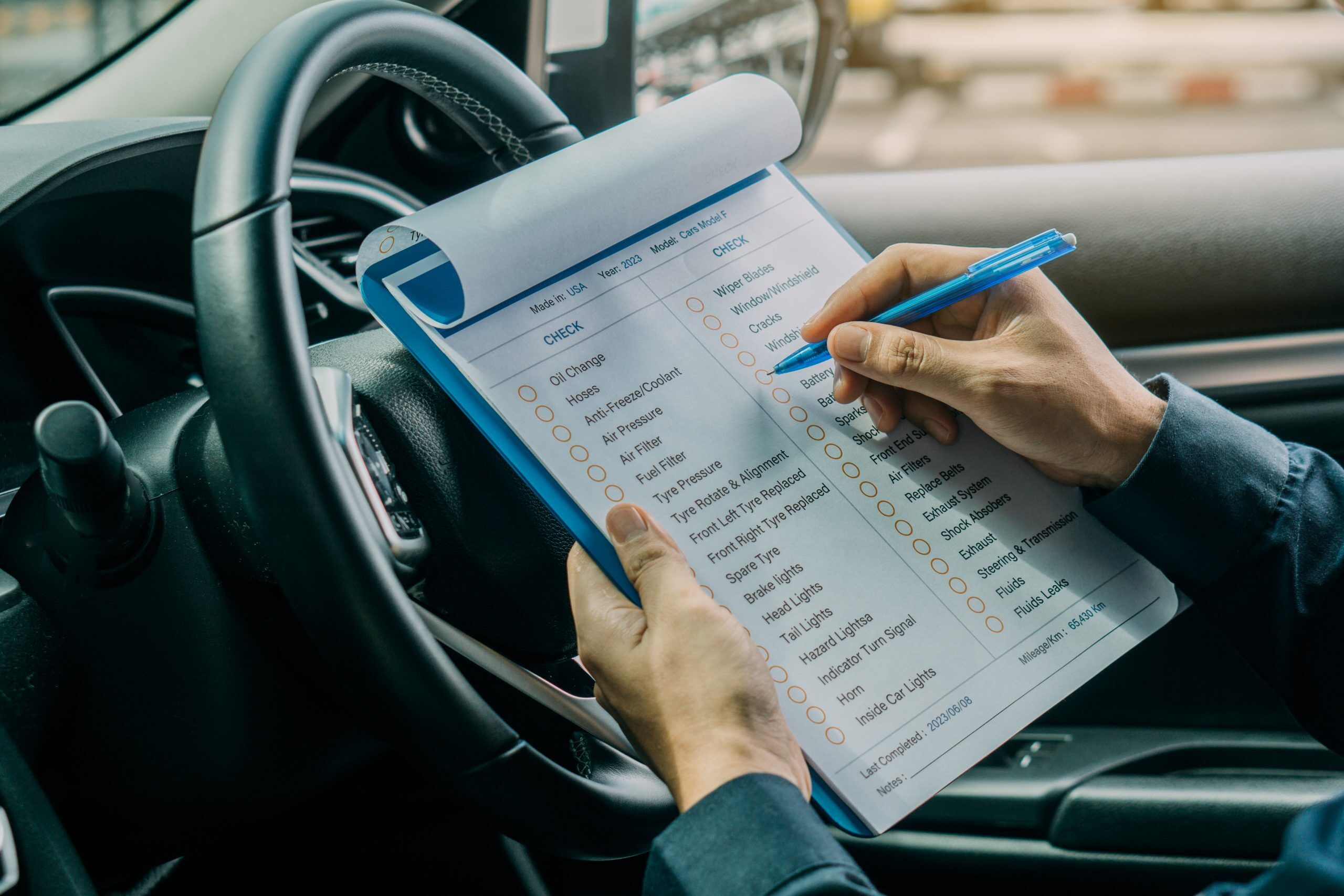
A useful routine might look like this:
- Confirm cloud storage shows recent sync dates.
- Copy key folders to an external hard drive.
- Open two or three random files from the backup to test them.
- Delete obvious junk from the active device, not from the backup.
- Write down anything that needs fixing next month.
Testing matters. Many people create backups they never open, then discover too late that the files did not copy correctly. A backup you never test is a wish with a progress bar.
How Families Can Share Responsibility Without Chaos
Household backups should not depend on one person knowing everything. If the family tech person gets busy, sick, or locked out, everyone else should still know where the basics live. That does not mean every family member needs admin access to every account. It means the system needs plain instructions.
Create a simple household file map. Write where tax records live, where family photos back up, which cloud storage account holds shared files, and where the external hard drive sits. Keep the language human. No one wants to decode a tech manual during an insurance claim.
Shared responsibility also teaches kids that digital files have value. A teenager who learns to save school projects in the right folder is building a life skill, not doing a chore. A spouse who knows how to retrieve a scanned passport can solve a travel problem without calling for help from the airport.
Privacy still deserves respect. Not every folder should be shared with everyone. Use separate personal folders, shared family folders, and clear account boundaries. A good home system protects access without turning the household into a locked filing cabinet.
The deeper lesson is simple: backups are not about gadgets. They are about reducing drama. When your files have safe places to land, everyday mistakes stay small.
Conclusion
Your digital life will keep growing whether you plan for it or not. Photos multiply, documents pile up, accounts change, and devices age out of usefulness faster than most people expect. The smart move is to stop treating backups as a task for “someday” and start treating them as basic home care. Digital Backup Ideas work best when they become part of how you already live: cloud copies for daily access, a physical drive for local security, strong passwords for account safety, and a monthly check that keeps the whole thing honest. You do not need a perfect system. You need a system that runs when life gets messy. Start with the files you would hate to lose, give them more than one safe place, and test the copies before you trust them. Open your main folders today, choose the first set worth protecting, and build the habit before a broken device makes the decision for you.
Frequently Asked Questions
What are the best backup ideas for protecting family photos?
Use both cloud storage and an external hard drive for family photos. Cloud copies help you recover from lost phones or laptops, while a local drive gives you control over large folders. Organize photos by year and event so recovery does not become a scavenger hunt.
How often should I back up important computer files?
Monthly backups work well for most households, but active work files need faster protection. Save work documents to a synced folder and copy major folders to a local drive at least once a month. Files tied to money, school, or legal needs deserve priority.
Is cloud storage enough for personal file protection?
Cloud storage helps a lot, but it should not be your only copy. Account lockouts, sync mistakes, deleted folders, and subscription issues can still create trouble. Pair cloud storage with an offline copy on an external hard drive for stronger file protection.
What files should every American household back up first?
Start with tax returns, IDs, insurance papers, medical forms, home records, school documents, family photos, and active work files. These files are often hard to replace and may be needed during stressful moments. Entertainment downloads and random clutter can wait.
How do I protect files from ransomware at home?
Keep one backup disconnected from your computer when not in use. Ransomware can damage files on drives that stay plugged in or synced. Update devices, avoid suspicious downloads, and keep a clean offline copy so one infected machine does not ruin everything.
What is the easiest backup routine for beginners?
Pick one cloud folder for daily files and one external drive for monthly copies. Save important documents in the cloud folder as you work, then copy that folder to the drive once a month. Open a few backed-up files afterward to confirm they work.
Should I back up my phone separately from my computer?
Yes, because phones hold photos, contacts, messages, notes, and app data that may never reach your computer. Turn on phone backup settings, confirm photo syncing, and export anything rare or personal. A phone loss should not erase years of daily life.
How can I organize backups without making duplicate chaos?
Create clear folders by category and date, then avoid renaming them every time you copy them. Keep one active folder structure and mirror it in your backup locations. Simple labels like Taxes 2025, Family Photos 2026, and Home Documents prevent confusion later.