
 Michael Caine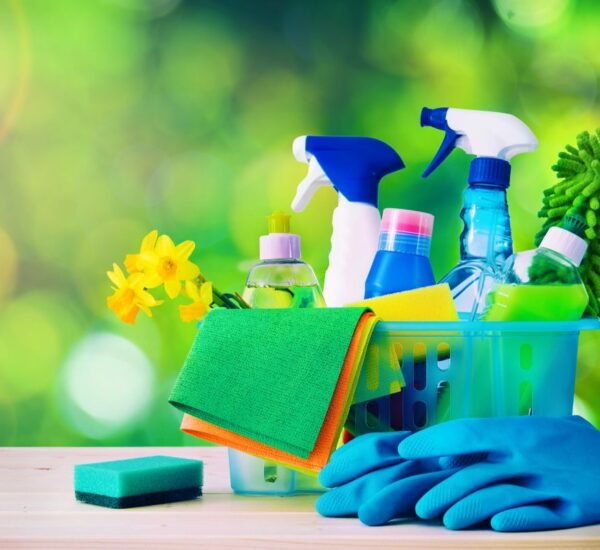
Shared spaces get messy in ways people do not always notice until the air feels stale, the counters feel sticky, or someone gets sick after a long week of close contact. In homes, offices, dorms, apartment lounges, gyms, and community rooms across the USA, Green Cleaning Tips can make a shared space feel cared for without turning every surface into a chemical battlefield. The point is not to make cleaning harder or more precious. The point is to clean in a way that respects the people who breathe the air, touch the tables, sit on the couches, and trust the space to be safe. A smarter approach also helps teams, landlords, families, and local groups communicate healthier habits with clarity, especially when they use public-facing trust resources to shape better community messaging. Clean should not smell like a warning label. It should feel calm, usable, and repeatable, even when many people share the same room.
Choosing Safer Products Without Falling for Pretty Labels
A shared space exposes every cleaning choice to more people than a private bathroom ever will. One person may tolerate a strong fragrance, while another gets a headache before the meeting even starts. That is why eco-friendly cleaning deserves more than a quick grab from the store shelf. The product has to work, but it also has to fit real human variety: kids, older adults, pets, guests, coworkers, and people with asthma or skin sensitivity.
Eco-friendly cleaning labels need a second look
Green packaging can fool even careful shoppers. A bottle covered in leaves does not prove much if the ingredient list hides harsh solvents, artificial fragrance, or vague blends that say little. In a shared laundry room, for example, one resident may spray a “fresh scent” cleaner on folding tables, while another person places baby clothes on the same surface minutes later. That gap between intention and impact is where better judgment matters.
Eco-friendly cleaning starts with reading past the front label. Look for products that disclose ingredients clearly, carry respected third-party certifications, and avoid heavy perfume claims. The quietest bottle on the shelf often does the better job because it does not try to sell cleanliness as a smell. That is a useful mindset shift for Americans used to linking “clean” with lemon, pine, or bleach-heavy air.
A safer product also needs the right match for the task. Glass cleaner does not belong on food prep counters unless the label says it is safe for that use. A disinfectant does not need to touch every chair arm in a reading room after one person sits there. Good cleaning is not more spray. It is better judgment.
Non-toxic cleaning products still need correct use
Non-toxic cleaning products can lower exposure concerns, but they are not magic water. Many people make the mistake of assuming safer means careless. They spray too much, mix products, skip ventilation, or leave damp residue where dust and grime can settle again. That turns a good product into a messy habit.
Shared kitchens show this problem fast. Someone wipes a microwave handle with a plant-based cleaner, then immediately wipes a counter with the same dirty cloth. The product was not the issue. The process was. Non-toxic cleaning products work best when paired with clean cloths, clear contact time, and a habit of separating high-touch areas from food surfaces.
A simple product station can prevent half the trouble. Keep one labeled cleaner for counters, one for glass, one for bathrooms, and one disinfectant for moments that call for it. Add washable microfiber cloths in different colors so nobody uses a restroom cloth on a breakroom table. People behave better when the system makes the right action easy.
Building Habits That Keep Shared Space Hygiene Steady
Good products help, but habits carry the space. A room can be cleaned well at 8 a.m. and feel neglected by noon if people treat cleaning as someone else’s invisible job. Shared space hygiene works when everyone understands the few small actions that protect the group without turning the space into a rulebook nobody reads.
Shared space hygiene depends on visible routines
People trust what they can see. A posted cleaning schedule in an apartment gym, a small sign near office coffee supplies, or a supply basket in a church fellowship hall does more than remind people to wipe surfaces. It tells them the space has standards. That social cue changes behavior faster than a long policy.
Shared space hygiene improves when routines match the rhythm of the room. A conference room may need table and door-handle attention after back-to-back meetings. A family game room may need couch throws washed weekly and snack surfaces cleaned after use. A coworking kitchen may need a midafternoon reset because morning coffee traffic and lunch traffic create different messes.
The unexpected truth is that over-cleaning can weaken cooperation. When one person aggressively scrubs everything after others use it, the rest of the group may step back and let that person own the burden. A healthier routine spreads responsibility in plain sight. The goal is not spotless perfection. It is steady respect.
High-touch zones deserve more attention than open space
A clean-looking room can still hide the real problem spots. Door handles, faucet levers, chair backs, elevator buttons, vending machine panels, remote controls, shared pens, and appliance handles collect more contact than wide floors or empty corners. Cleaning the wrong surfaces first wastes time and gives people false comfort.
An office breakroom gives a useful example. The floor may look dull, so someone mops it often, while the refrigerator handle, microwave keypad, and coffee pot grip go untouched for days. Visitors judge the floor with their eyes, but their hands meet the risk points. That mismatch is common in shared spaces across apartment buildings, schools, clinics, and community centers.
A better routine ranks surfaces by touch, not by appearance. Put high-touch points on a daily list and lower-contact areas on a weekly list. This keeps cleaning practical. Nobody needs a dramatic deep clean every afternoon, but the surfaces people touch all day need steady care.
Cleaning for Better Air, Not Stronger Smell
Air tells the truth before the furniture does. A shared room with heavy fragrance, damp mop water, or closed windows can feel “cleaned” while still making people uncomfortable. Healthier shared spaces depend on indoor air that does not punish people for showing up. This matters in the USA, where sealed buildings, central HVAC systems, and long indoor workdays shape how people experience public and semi-public rooms.
Healthier shared spaces need ventilation during cleaning
Fresh air changes how cleaning feels and performs. Opening windows when possible, running exhaust fans, and avoiding heavy sprays in closed rooms helps prevent lingering odors and airborne irritation. In a small apartment lounge or daycare entry area, even a mild cleaner can feel intense when the room has no airflow.
Healthier shared spaces also need dry surfaces. Damp carpets, wet cloth chairs, and over-sprayed counters can trap odor and invite mildew. The mistake often comes from good intentions: someone thinks more liquid means more cleaning power. In practice, it can leave residue and moisture behind, which makes the room feel worse the next day.
Better air starts before the cleaner touches the surface. Remove trash, shake out mats outdoors, vacuum dust with a good filter, and clean from top to bottom so particles do not settle onto finished surfaces. A room that smells neutral after cleaning often signals that the process worked. Clean air should not need a cover story.
Fragrance-free choices can feel more welcoming
Scent is personal, and shared spaces are the wrong place to impose it. One person’s lavender comfort can be another person’s migraine trigger. Fragrance-free cleaning does not feel cold or clinical when the room is maintained well. It feels fair.
Non-toxic cleaning products often come in scented and unscented versions, and the unscented option usually makes more sense for offices, shared housing, libraries, classrooms, and waiting areas. This choice reduces conflict before it starts. Nobody has to complain about the smell if the space never becomes scented in the first place.
A neutral-smelling room also makes real problems easier to spot. If the trash area smells sour, the answer is not a stronger spray. The answer is taking out the trash, cleaning the bin, and drying the liner area before replacing the bag. Fragrance can hide a problem long enough for it to become someone else’s complaint.
Making Green Cleaning Practical for Real American Spaces
Good advice fails when it ignores real life. People are busy, budgets matter, and shared spaces often depend on volunteers, tenants, employees, or family members who never agreed to become cleaning managers. Green Cleaning Tips should fit ordinary American routines, not demand a perfect supply closet and a spare hour every morning.
Eco-friendly cleaning works best with fewer, better tools
Too many products create confusion. One cleaner under the sink becomes five, then eight, then nobody knows what belongs where. The result is waste, clutter, and accidental misuse. A lean cleaning setup saves money and lowers the chance that someone grabs the wrong bottle.
A practical shared-space kit might include a gentle all-purpose cleaner, a bathroom cleaner, a glass cleaner, a disinfectant for needed moments, washable microfiber cloths, gloves, a small brush, trash bags, and paper towels for messes that should not go into shared laundry. That is enough for most apartment lounges, office kitchens, hobby rooms, and family common areas.
The stronger move is labeling the kit by task rather than by product name. “Counters and tables,” “bathroom only,” and “glass and mirrors” speak to people faster than brand labels do. You cannot expect every person to understand chemistry, but you can make the next right step obvious.
Non-toxic cleaning products should fit the budget
Cost can make greener choices feel out of reach, especially for shared housing, small nonprofits, and local businesses. The answer is not to buy the most expensive brand and hope people use less. The answer is to choose dependable basics and control waste.
Concentrates can save money when someone handles dilution correctly. Refillable spray bottles also reduce plastic waste, but labels must stay clear and durable. A mystery bottle in a shared cabinet is not a green win. It is a future mistake waiting for the wrong pair of hands.
Budget thinking should include damaged surfaces too. Harsh cleaners can strip finishes, discolor fabrics, dull flooring, and shorten the life of shared furniture. Spending less on a rough cleaner may cost more when a lobby table, vinyl chair, or sealed floor starts wearing out early. The cheapest choice is not always the lowest-cost choice.
Turning Clean Spaces Into Shared Responsibility
A healthier room is not built by one hardworking person with a spray bottle. It comes from small agreements that make care normal. The best shared cleaning systems respect human behavior: people forget, rush, assume, and avoid awkward conversations. Strong systems account for that without shaming anyone.
Clear expectations beat long cleaning rules
Long rules rarely change behavior. A short note near the mess point does. “Wipe the table after eating,” “Use bathroom cloths only in the restroom,” and “Leave the sink dry” work because they meet the person at the exact moment they need direction.
Shared space hygiene benefits from plain language and visible supplies. A sign without a cloth nearby becomes decoration. A bottle without instructions becomes a guess. Put both together and the room starts teaching people how to care for it.
A neighborhood clubhouse offers a clean example. After weekend events, guests may forget counters, trash, and chair arms. A simple exit checklist near the door can prevent Monday complaints: trash out, tables wiped, lights off, thermostat set, supplies returned. That kind of system feels less like policing and more like handing the next group a decent room.
Accountability feels better when it is shared
People resent cleaning when the same person always notices the mess. Families know this. Office teams know this. Apartment managers know this better than anyone. The fix is not a louder complaint. It is a visible rotation or shared reset time that removes the drama from the work.
A five-minute closing reset can change the feel of a space. In a coworking room, everyone clears cups, wipes their table area, returns chairs, and checks the floor before leaving. No speech. No guilt. The habit becomes part of using the room.
Green choices also become easier when the group sees the benefit. Less chemical odor, fewer sticky surfaces, fewer complaints, and fewer damaged materials create a quieter kind of comfort. People may not praise it every day, but they notice when it disappears.
Conclusion
Clean shared spaces need a better standard than “someone sprayed something.” They need care that protects air, surfaces, budgets, and the people who move through the room every day. The smartest approach is not dramatic. It is steady, visible, and easy enough that ordinary people can repeat it without turning cleaning into a second job. Green Cleaning Tips matter because they push cleaning back toward its real purpose: making a space safer to use, not louder to smell. Start with the cabinet under the sink, remove products nobody trusts, label the ones that remain, and build a short routine around the surfaces people touch most. Better shared spaces do not happen because one person cares harder than everyone else. They happen when the room itself makes care feel natural, expected, and simple.
Frequently Asked Questions
What are the best green cleaning tips for shared spaces?
Start with high-touch surfaces, choose low-odor products, keep cloths separated by room, and make supplies visible. Shared spaces stay cleaner when the routine is simple enough for everyone to follow without needing special training.
How can eco-friendly cleaning help indoor air quality?
Low-fragrance products, better ventilation, and careful spraying reduce lingering odors and airborne irritation. Cleaning should remove dust, grime, and residue without filling the room with a scent that makes people uncomfortable.
Are non-toxic cleaning products strong enough for public areas?
Many work well for routine cleaning when used correctly. The key is matching the product to the job, allowing proper contact time when needed, and not expecting one bottle to handle every surface or situation.
What should be cleaned daily in a shared office kitchen?
Focus on sink handles, refrigerator handles, microwave buttons, counters, table surfaces, coffee station areas, and trash zones. These spots collect frequent hand contact and food residue, so they need steady attention.
How do you maintain shared space hygiene in apartment buildings?
Use posted routines, labeled supplies, clear task zones, and regular checks for high-touch areas. Residents respond better when expectations are simple and supplies are placed where the mess usually happens.
What is the safest cleaner for shared spaces with kids?
A fragrance-free, clearly labeled cleaner suited to the surface is the safer choice for daily use. Keep disinfectants for moments that need them, store all products securely, and never leave spray bottles within easy reach.
How often should community rooms be deep cleaned?
Deep cleaning often works best on a monthly or seasonal schedule, depending on use. Busy rooms may need more frequent attention for upholstery, floors, vents, and trash areas, while daily care should focus on touch points.
Why does my shared space still smell after cleaning?
Odor often comes from trash bins, damp fabrics, dirty mop water, blocked airflow, or residue left behind. Stronger fragrance will not fix the source. Remove the cause, dry the area, and improve ventilation.