
 Michael Caine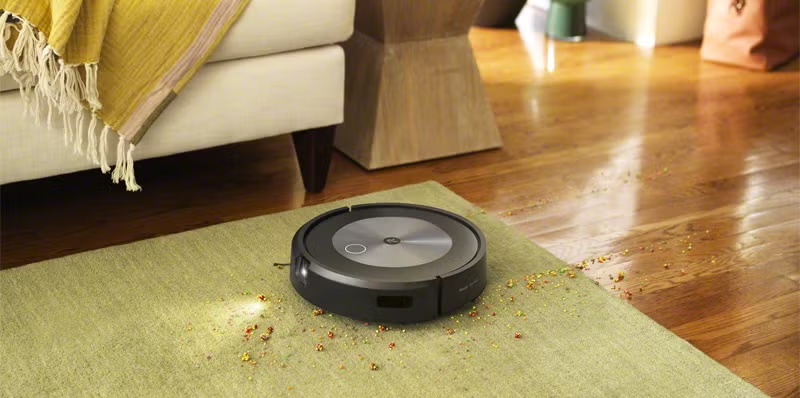
A clearance tag can make any smart home gadget look tempting, but a robot vacuum has to earn its space on your floor. The Roomba j7 Plus is drawing attention because it sits in that rare middle ground: older than the newest flagship, yet still smart enough for homes with pets, cords, rugs, and daily crumb traffic. That is where the deal starts to matter. American shoppers are not only chasing a lower sticker price; they are asking whether this robot can take over the boring part of floor care without creating a new chore list. For deal-focused smart home buyers, consumer product updates often come down to timing, and this model is a timing story as much as a tech story. The official iRobot listing says the j7+ identifies and avoids objects such as pet waste and cords, and it includes a Clean Base Automatic Dirt Disposal system. That puts it in a different lane from cheap bump-and-run vacuums. The better question is not whether it is fancy. It is whether the discounted price finally matches how most homes clean.
Why the Roomba j7 Plus Clearance Price Feels Different
A robot vacuum deal only matters when the product solves a real problem after the excitement fades. That is the quiet difference here. Many vacuums go on sale because they are forgettable. This one is getting attention because its strongest features still fit the way people live in apartments, ranch homes, townhouses, and pet-heavy family spaces.
The Discount Changes the Value Math
When this model first sat near the premium end of the robot vacuum aisle, the hard part was not explaining what it did. The hard part was explaining why someone should pay that much when a cheaper bot could still pick up cereal crumbs. At a clearance low, the question changes. You are no longer comparing it only with new high-end machines. You are comparing it with midrange vacuums that may not self-empty or avoid hazards as well.
That matters in a real home. A $200 robot that gets stuck under a dining chair every other run can become a small frustration factory. A stronger robot vacuum deal is the one that removes work, not the one that creates a new routine of rescuing a machine from shoelaces and dog toys.
The non-obvious point is that an older premium model can be a better buy than a new budget model. Newer does not always mean better for your floor plan. If the older machine has mapping, a self-emptying vacuum dock, and proven object handling, it may fit daily life better than a fresh release with a weaker base station.
Clearance Pricing Rewards Patient Smart Home Buyers
Clearance pricing often hits when retailers need shelf space, not when a product suddenly loses its usefulness. That is why patient buyers can win. The j7+ model is not trying to be a mop-first hybrid, a voice assistant hub, or a science project with wheels. It is built around vacuuming, avoiding messes, and emptying itself.
For a U.S. household with two shedding pets and a busy kitchen, that focus has value. Think about a home in Ohio or Texas where the family room connects straight to the backyard. Dirt comes in by the door, pet hair gathers under the sofa, and the breakfast area collects crumbs by 8 a.m. A scheduled self-emptying vacuum can keep that mess from becoming the weekend’s problem.
The catch is simple. Clearance deals can disappear fast, and some sellers use loud language around discounts. A smart shopper should compare the sale price with the product’s recent price history, check return terms, and confirm whether bags, filters, and replacement rollers are still easy to buy.
What Makes a Self-Emptying Robot Vacuum Worth Owning
Once price gets people interested, the daily experience has to carry the purchase. A self-emptying vacuum is not about showing off. It is about breaking the cycle of tiny chores that make a robot vacuum feel less automatic than advertised.
The Clean Base Is the Real Convenience Feature
The robot gets the attention, but the dock does much of the lifestyle work. With a Clean Base Automatic Dirt Disposal system, the machine returns after cleaning and transfers debris into the base. iRobot markets this as a self-emptying setup, which means you do not need to dump the onboard bin after each run.
That sounds small until you use a robot vacuum in a house with pet hair. A regular bot can fill up before the job is done. Then it keeps dragging around with weaker pickup, or it stops and waits for you. The base changes that rhythm. You can schedule cleaning during work hours, school pickup, or a grocery run and come back to floors that look less lived-in.
A self-emptying vacuum also helps people who dislike touching dust bins. Allergy-sensitive homes may still need careful bag changes and filter cleaning, but the day-to-day contact with dust drops. That is not glamorous. It is practical.
Object Avoidance Matters More Than Raw Suction
Many shoppers look at suction first, but suction is only useful when the robot reaches the mess. The j7+ model’s front camera system is designed to identify and avoid common obstacles. Reviewers have also pointed to its camera-based object avoidance as a major part of its appeal, especially around cords and clutter.
Here is the counterintuitive part: a robot vacuum that avoids one bad mistake can be more valuable than one with slightly stronger pickup. Pet owners know why. One accident smeared across a hallway can erase every benefit a robot vacuum ever promised. iRobot even built marketing around avoiding pet accidents on purpose, which tells you exactly what fear they were trying to solve.
That does not mean you can leave the floor in chaos. Shoes, charging cables, socks, and kids’ toys still reduce cleaning quality. But a smarter machine gives you a safety net. It lets real life be a little messy without turning the vacuum into another thing you have to babysit.
How It Fits Pet Homes, Apartments, and Busy Floors
The best use case is not a spotless showroom. It is the normal American home where the floor gets dirty again five minutes after you clean it. That is where a pet hair robot vacuum makes sense: not as a deep-cleaning hero, but as a daily pressure release.
Pet Hair Robot Vacuum Benefits Are About Frequency
Pet hair does not arrive once a week. It lands all day, in small amounts, until the floor suddenly looks neglected. A pet hair robot vacuum helps because it cleans often enough to stop buildup from becoming visible. That is different from waiting until Saturday and dragging out a full-size vacuum.
In a home with a golden retriever, a short-haired cat, or a husky mix, daily cleaning can make the whole house feel calmer. Hair under bar stools, along baseboards, and near dog beds does not get the same chance to settle. The machine will still need roller checks, especially if long human hair wraps around the brush system, but the floor stays ahead of the mess.
The non-obvious benefit is social. When someone drops by, you are not staring at fur tumbleweeds near the entryway. You may still need to clean deeply before guests arrive, but the baseline is higher.
Apartments Need Smart Navigation, Not Only Small Size
Apartment shoppers often assume any robot vacuum will work because the square footage is smaller. That is not always true. Smaller homes can be harder for robots because furniture sits closer together, cords hide behind desks, and laundry baskets migrate from room to room.
For a one-bedroom apartment in Chicago, Seattle, or Atlanta, a smarter robot can make more sense than a cheaper one. It has fewer rooms to map, but more tight decisions to make. Chair legs, rugs, slippers, and charging cables all create tiny traps. A robot that can recognize obstacles has a better chance of finishing the job.
This is also where smart home cleaning tips can help. Simple habits like lifting loose cords, setting no-go zones, and keeping one clear route through the room can turn a decent cleaning run into a strong one. The machine matters. The setup matters too.
What to Check Before You Buy the Clearance Deal
A low price can make people rush. That is risky with a robot vacuum because the real cost includes accessories, warranty terms, floor fit, and your tolerance for maintenance. The smartest buyer slows down for five minutes before checkout.
Confirm the Seller, Warranty, and Accessories
Start with the seller. A clearance listing from a major retailer is different from a vague marketplace offer with unclear condition notes. Look for new, open-box, refurbished, or renewed language. Those labels matter because they can change return rights and warranty support.
The Federal Trade Commission advises shoppers to pay attention to warranty coverage, what is included, and how service claims work before buying consumer products. That advice fits robot vacuums because docks, batteries, bags, and sensors all affect long-term ownership. You can review the FTC’s general warranty guidance through its consumer warranty information page.
Also check what comes in the box. A great robot vacuum deal can lose shine if the listing excludes the Clean Base, bags, side brush, or power cord. Replacement bags and filters should be available without hunting through odd third-party listings.
Match the Vacuum to Your Actual Floors
This model is still a vacuum, not a magic floor manager. It is better for dry debris, pet hair, dust, and crumbs than sticky kitchen spills. If your home needs mopping every day, you may want a combo machine instead. RTINGS notes that the j7+ does not mop, so it cannot clean stains the way a mop-capable robot can.
Floor type matters too. Low-pile rugs, hardwood, vinyl plank, tile, and mixed surfaces are a natural fit. Thick rugs, loose fringe, and cluttered playrooms require more patience. A family room with toys on the floor every night will still need human reset time before a scheduled run.
For buyers comparing this model with newer options, robot vacuum buying guides can help separate useful features from shiny ones. The best pick is not always the newest model. It is the one that fits your mess, your layout, and your willingness to maintain it.
Conclusion
Clearance pricing can turn a product from “nice idea” into a smart household upgrade, but only when the features still hold up. This iRobot model has a strong case because it focuses on the chores people hate most: picking up daily debris, dodging common floor hazards, and emptying its own bin after the run. It is not the right choice for someone who needs heavy mopping or wants the newest flagship badge. For many homes, the Roomba j7 Plus makes sense because the lower price brings premium convenience into a more realistic budget range. The best buyer is not chasing hype. They are looking at pets, rugs, cords, schedules, and weekend cleaning fatigue. If the clearance listing is from a trusted seller, includes the full dock setup, and offers fair return terms, this is one of those deals worth checking before it disappears. Buy for the floor you live on, not the one in the product photo.
Frequently Asked Questions
How much should I pay for this iRobot robot vacuum on clearance?
A strong price depends on condition, seller, included accessories, and warranty support. Compare the current sale against recent retailer pricing, not only the original launch price. A lower open-box price may be less appealing if the dock, bags, or return window are missing.
Is this model worth buying for pet hair?
Yes, it can be a strong fit for pet homes because frequent scheduled cleaning keeps fur from building up. It still needs roller checks and filter care. Long hair, heavy shedding, and large debris can require extra maintenance, especially during seasonal shedding.
Does the j7+ model mop floors too?
No, this version is built for vacuuming, not mopping. It handles dry debris, dust, crumbs, and hair. Buyers who need daily wet cleaning in kitchens or bathrooms should compare it with robot vacuum and mop combo models before choosing.
What makes a self-emptying dock useful?
The dock reduces how often you touch the robot’s small onboard bin. After a cleaning run, debris moves into the base. That makes scheduled cleaning easier, especially in homes with pets, kids, or high-traffic areas that create dust and crumbs daily.
Is object avoidance worth paying extra for?
Yes, especially in homes with cords, socks, pet toys, or pets. Object avoidance does not replace tidying, but it lowers the odds of a failed run. Avoiding one bad floor accident can matter more than a small gain in suction power.
Will it work in a small apartment?
Yes, but small apartments still need smart setup. Tight furniture, cables, rugs, and storage bins can block cleaning paths. Clear loose items, create no-go areas where needed, and give the dock enough open space so the robot can return without trouble.
What should I check before buying a clearance listing?
Check whether the item is new, refurbished, renewed, or open-box. Confirm the Clean Base is included, review return rules, look for warranty details, and make sure replacement bags and filters are easy to find. A cheap listing with missing parts can cost more later.
Is a newer robot vacuum automatically better?
No. A newer model may add features you do not need, while an older premium model may offer better daily value at a lower price. Match the vacuum to your floors, pets, clutter level, and maintenance habits before paying extra for a newer release.