 Michael Caine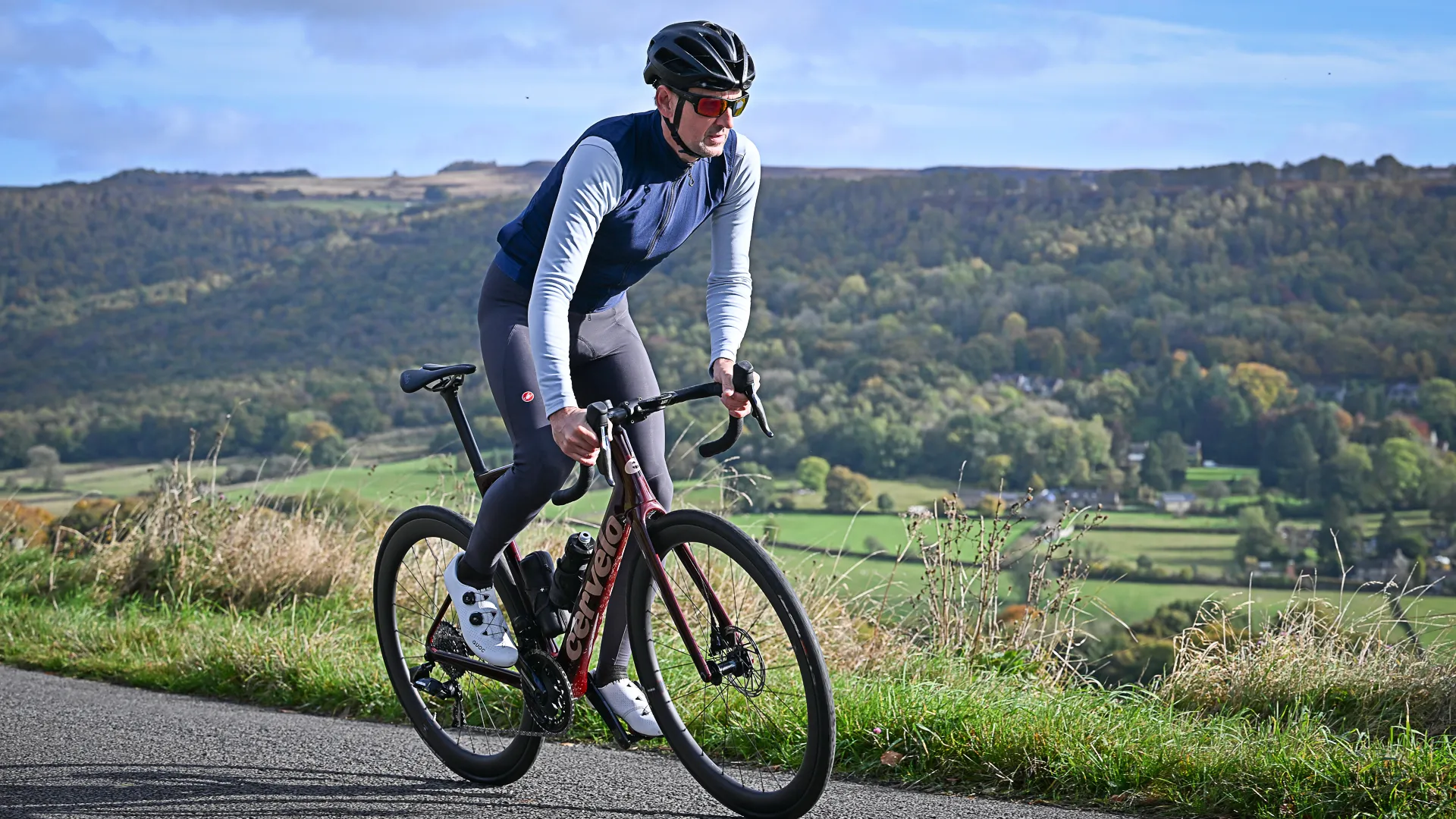
By late spring, bike shoppers start acting less like casual browsers and more like people trying to catch the last flight out. The Cervelo Caledonia 5 sits in that tense spot because it speaks to riders who want speed, comfort, and confidence without owning three different bikes. It is the kind of machine a U.S. cyclist eyes before charity centuries, weekend hill rides, rough county roads, and the first serious group rides after winter. That is the hidden pressure behind summer cycling season demand. People do not want a dream bike in August. They want it built, fitted, and ready while the long evenings are still ahead. For readers tracking consumer product news, this is also a lesson in how premium gear disappears: not always through hype, but through timing, sizing, and the fear of missing the best riding window.
Why This Bike Is Thinning Out Before Peak Riding Months
A bike does not have to be rare to become hard to buy. It only has to be desirable in the exact sizes, colors, and builds that most riders want. That is what happens with high-end road bikes before summer. The rider who ignored stock in February walks into a shop in May and suddenly learns that a 54 in the right build is not sitting quietly in the back room. The friction is simple. Demand wakes up faster than supply moves.
The demand is not only about brand hype
Cervélo has name pull, and nobody needs to pretend otherwise. You see the logo at fast group rides, triathlon clubs, and shop windows in cycling-heavy towns from Boulder to Austin. But the pull around this model is not only about a badge. It comes from the problem many American riders are trying to solve.
They want one bike that can handle a Saturday hammer ride, a cracked farm road, and a charity century without making them feel beaten up by mile 70. That is not a small ask. A pure race bike can feel sharp for the first hour and punishing by the fourth. A soft comfort bike can feel pleasant until the pace lifts and the whole ride starts to feel dull.
The non-obvious part is that comfort does not sell this bike by itself. Speed sells the comfort. Riders are drawn to the idea that they can stay fresher without giving up the bright, direct feel they expect from a premium road frame. That is why the endurance road bike category has become more serious. It is no longer the quiet corner for riders who gave up on racing. It is where fast people go when they have learned what rough pavement does to the body.
Another reason demand tightens is emotional timing. Spring makes people ambitious. A rider sees the first 70-degree Saturday, watches a local club roll out in fresh kits, and starts thinking about the rides missed last year. The bike becomes more than a product. It becomes the promise of not wasting another season on equipment that feels half-right.
Road bike availability tightens when sizing matters most
Road bike availability is not like buying a speaker or a watch. You cannot choose the wrong size and hope it works out. A rider between sizes may be able to adjust stem length, saddle position, and bar reach, but the frame still sets the base. If the 51 or 56 is gone, the decision gets messy fast.
That matters more with a premium bike because the buyer is usually not making an impulse purchase. Someone spending serious money wants the right fit, the right gearing, and the right dealer support. A shop in Southern California may have a customer who wants electronic shifting and a calmer fit for long coastal rides. A shop in Vermont may have a rider asking for lower gearing and tire room for broken backroads. Both riders may be looking at the same platform, but not the same build.
This is where the “selling out” idea becomes practical rather than dramatic. The bike may still exist somewhere, but the version that fits your body and riding style can vanish first. That is the part shoppers miss. Inventory does not need to hit zero for the buying window to feel closed.
The smartest shoppers treat availability like weather. You do not control it, but you can prepare for it. If you know your size range, preferred build, and budget ceiling before calling dealers, you can move faster without acting desperate. A calm buyer with clear details often gets better help than someone asking, “Do you have any left?”
What Makes the Cervelo Caledonia 5 Different From a Pure Race Bike
This model is interesting because it does not ask riders to choose between a stiff race feel and a body-friendly long ride setup. Cervélo positions the Caledonia-5 for long-distance, high-speed riding with comfort-minded fit and handling, while its official page also lists details such as in-frame storage, 36mm tire clearance, and fender mounts. The official Caledonia-5 page lays out that mix of speed, storage, tire room, and long-ride intent.
Endurance geometry works when the road gets ugly
Geometry sounds dull until your hands are numb and every expansion joint feels personal. The best endurance road bike does not need to feel sleepy. It needs to give you a little more room to breathe while still letting you lean into a descent or close a gap in a group ride.
That is the tension this category has to manage. If the front end is too relaxed, the bike can lose the alert feel that makes road riding fun. If the fit is too aggressive, the rider ends up with a race tool that only feels good on perfect pavement and short efforts. The Caledonia-5 tries to sit in the narrow middle, where a rider can go hard without feeling folded into a position meant for a pro with a massage table waiting after the ride.
A concrete example makes this clear. Think of a rider in Pennsylvania training for a summer gran fondo. The route has smooth town sections, rough chipseal, shaded descents with patched corners, and one climb that never ends. A bike that feels amazing on fresh asphalt but skittish on broken surface becomes tiring. A bike that stays settled gives the rider more mental space. That is speed most spec sheets cannot measure.
The overlooked benefit is confidence after fatigue. Many bikes handle well when your form is sharp and your core is fresh. The better test comes after three hours, when your shoulders drop, your line choice gets lazy, and the road surface turns mean. A calm front end and room for sensible tire pressure can keep small mistakes from becoming ride-ending moments.
Storage, tires, and fender mounts change the use case
The small details are what push this bike beyond Sunday-best status. Cervélo says the in-frame storage is made for items like a tube, small multi-tool, and CO2 canister, and the hatch is built for quick access even with gloves on. That sounds minor until you stop stuffing tools into a jersey pocket every ride.
Tire clearance may matter even more. Room for wider road tires lets riders tune the bike for where they live. In much of the U.S., the dream road is not glass-smooth. It is patched, sun-baked, frost-cracked, or scarred by winter plows. A 30mm or wider tire at the right pressure can make a ride feel calmer without making it feel slow.
The counterintuitive insight is that fender mounts can make a premium bike more desirable, not less. Some riders think mounts make a bike look less pure. Real riders know a fast winter setup protects the bike, the drivetrain, and the person sitting behind you on a wet group ride. The more a bike can stay in rotation across seasons, the easier it is to justify.
This is also where buyers should connect the bike to the rides they already do. A rider who lives near Houston may value tire volume for concrete seams and windy open roads. A rider near Asheville may care about stable descending and low-pressure grip on shaded mountain lanes. The frame does not change, but the setup should. That is why a good road bike buying guide should start with terrain, not brand loyalty.
How American Riders Should Think Before Buying One
The excitement around a scarce bike can push people into a rushed decision. That is risky. A premium frame can be beautiful, but beauty does not fix a bad fit, wrong gearing, or a build that makes no sense for your roads. The smarter buyer treats the purchase like a riding plan, not a trophy hunt. You are not only buying the frame. You are buying the next few summers of how your body feels on the bike.
Fit should beat color every time
Color is emotional. Fit is physical. Color makes you stare at the bike in the garage. Fit decides whether you still love it after mile 60. That is why a serious shopper should be careful when the favorite paint scheme is available in one size off.
This matters because premium road bikes invite rationalization. A rider might say the larger size will be fine with a shorter stem, or the smaller one will work with more seatpost and a longer reach. Sometimes that is true. Sometimes it creates a bike that never feels calm, no matter how many parts get swapped.
A shop fit can save money by stopping the wrong purchase before it happens. For a rider in Chicago planning fast lakefront miles and weekend trips into rolling Wisconsin roads, the right stack, reach, bar width, crank length, and saddle position matter more than a photo-perfect build. The frame is the foundation. Everything else negotiates with it.
Fit also affects how the bike gets used. A rider who feels stretched may avoid longer routes without admitting why. A rider who feels cramped may blame the saddle, tires, or wheels when the real issue is position. The wrong frame size can make excellent parts feel average.
The right build depends on how you ride
The best build is not always the most expensive one. That sounds obvious, but high-end bikes make people forget it. Electronic groupsets, carbon wheels, and power meters all have value. They do not have equal value for every rider.
A rider who trains with structure may care deeply about power data and tight shifting under load. A rider who wants long summer miles may care more about easy gear range, tire choice, and service support from a local shop. Another rider may already own a wheelset and prefer a build that leaves budget for a professional fit, pedals, shoes, and a saddle swap.
The hidden cost is not only the bike. It is the setup around the bike. A good summer cycling season can be shaped by small choices: tubeless sealant that is fresh, tires picked for local pavement, gearing that keeps knees happy on steep rollers, and bottle cages that do not rattle loose after two rough rides. Those choices are less glamorous than a top-tier drivetrain. They may matter more by July.
This is where restraint helps. If a mid-level build gets you the right fit, better tires, a proper saddle, and a service relationship with a strong shop, it may beat the dream build that leaves you stretched thin. Pride loves the top spec. Your body may prefer the smarter total package.
Why Summer Demand Rewards Decisive Shoppers
The closer summer gets, the less useful casual research becomes. You can read reviews forever, compare builds all night, and still lose the size that made sense for you. Decisive does not mean reckless. It means knowing your fit range, budget, build preference, and backup choices before inventory gets thin. The buyer who has done that work can move when the right bike appears.
Local shops can be better than endless online refreshing
Online stock checks feel efficient, but bike buying still rewards conversation. A good dealer may know what is on order, what can be transferred, what size a returning customer is likely to release, or which build can be made to work with a bar and stem change. That knowledge does not always appear on a product page.
There is also the build quality question. A premium road bike deserves careful assembly. Brake rub, tubeless setup, bar position, headset preload, and derailleur adjustment can make the first rides either joyful or annoying. A shop that knows the brand can catch details that a rushed ship-to-home purchase might leave for you to solve.
Road bike availability also has a local rhythm. A shop near a cycling club may sell through common sizes as soon as warm weather hits. A shop in another region may have the same model sitting longer because local riders favor gravel or triathlon bikes. Calling outside your immediate area can work, but the best outcome still depends on fit confidence and dealer communication.
The quiet advantage of a local shop is accountability. If a rotor rubs after the first ride or the saddle height needs a small change, you have a place to go. That matters when the bike costs enough to raise expectations. A box on the porch cannot watch you pedal.
The smarter move is planning the whole setup
Many buyers focus on getting the bike and forget the first month of ownership. That month matters. You should know whether you want tubeless from day one, whether your pedals are ready, whether your shoes and cleats need replacing, and whether the saddle is likely to work for your body.
This is where the summer rush creates avoidable mistakes. A rider gets the bike, books the first big ride, and learns too late that the stock saddle is wrong, the gearing feels tall, or the tires are not ideal for local roads. None of those problems ruins the bike. They do steal the joy from the honeymoon period.
A better plan is simple. Build the bike around the rides you will do in the next 90 days. If that means century training, aim for comfort and reliability. If it means fast Tuesday nights, think about wheels, tires, and position. If it means mixed pavement and shoulder-season weather, fenders and wider rubber deserve attention. The bike is the starting point, not the whole answer.
A practical summer cycling gear checklist can help here, but the best list is personal. Start with your longest planned ride, your roughest local road, your steepest climb, and the one discomfort that has ruined past seasons. Then set up the bike to answer those problems first. The pretty upgrades can wait.
Conclusion
The rush around this bike makes sense because it sits where many serious riders now live: fast enough for hard efforts, forgiving enough for imperfect roads, and practical enough to ride beyond sunny weekends. Scarcity adds pressure, but pressure should not replace judgment. The Cervelo Caledonia 5 is worth chasing only if the size, build, and fit match the way you ride. That is the part no stock alert can decide for you. Before the summer cycling season fully opens up, the best move is to speak with a trusted dealer, confirm your fit, check realistic road bike availability, and decide where you can compromise without hurting the ride. A great bike should make you want to add miles, not excuses. Buy with that standard, and the season starts with confidence.
Frequently Asked Questions
Is the Caledonia-5 good for long summer rides?
Yes, it is built for riders who want speed without the harsh feel of a pure race bike. Its fit range, tire room, and stable handling make it well suited for centuries, fast weekend rides, and rougher American pavement.
Why do premium road bikes sell out before summer?
Warm weather wakes up demand, and common sizes disappear first. Many riders wait until spring to shop, then discover that the exact build, size, or color they wanted has already moved through local dealers.
Is an endurance road bike slower than a race bike?
Not for most riders on real roads. A calmer fit and wider tires can help you stay fresher, corner with more trust, and hold speed longer when pavement turns rough or the ride stretches past several hours.
What size Caledonia-5 should I buy?
Start with a professional fit or a trusted shop sizing session. Height charts help, but stack, reach, flexibility, riding style, and injury history often decide whether one size will feel better than another.
Should I wait for a discount or buy when stock appears?
Waiting can save money, but it can also cost you the right size. If the bike fits, the build makes sense, and summer plans are close, availability may matter more than chasing a small price drop.
Can the Caledonia-5 handle rough pavement?
Yes, the bike is designed with tire room and comfort-minded handling that suit imperfect pavement. It is not a gravel race bike, but it can handle broken roads, chipseal, and long days better than many sharp race frames.
What should I check before buying from an out-of-state shop?
Confirm size, return terms, shipping method, assembly needs, warranty support, and whether the shop will help with fit questions after delivery. A low-friction sale matters less than getting a bike that arrives ready to ride.
Is this bike worth it for casual riders?
It can be, but only if you ride enough to feel the difference. Casual riders who mostly take short spins may not need this level of frame, wheels, and drivetrain. Long-mile riders will notice the value sooner.