 Michael Caine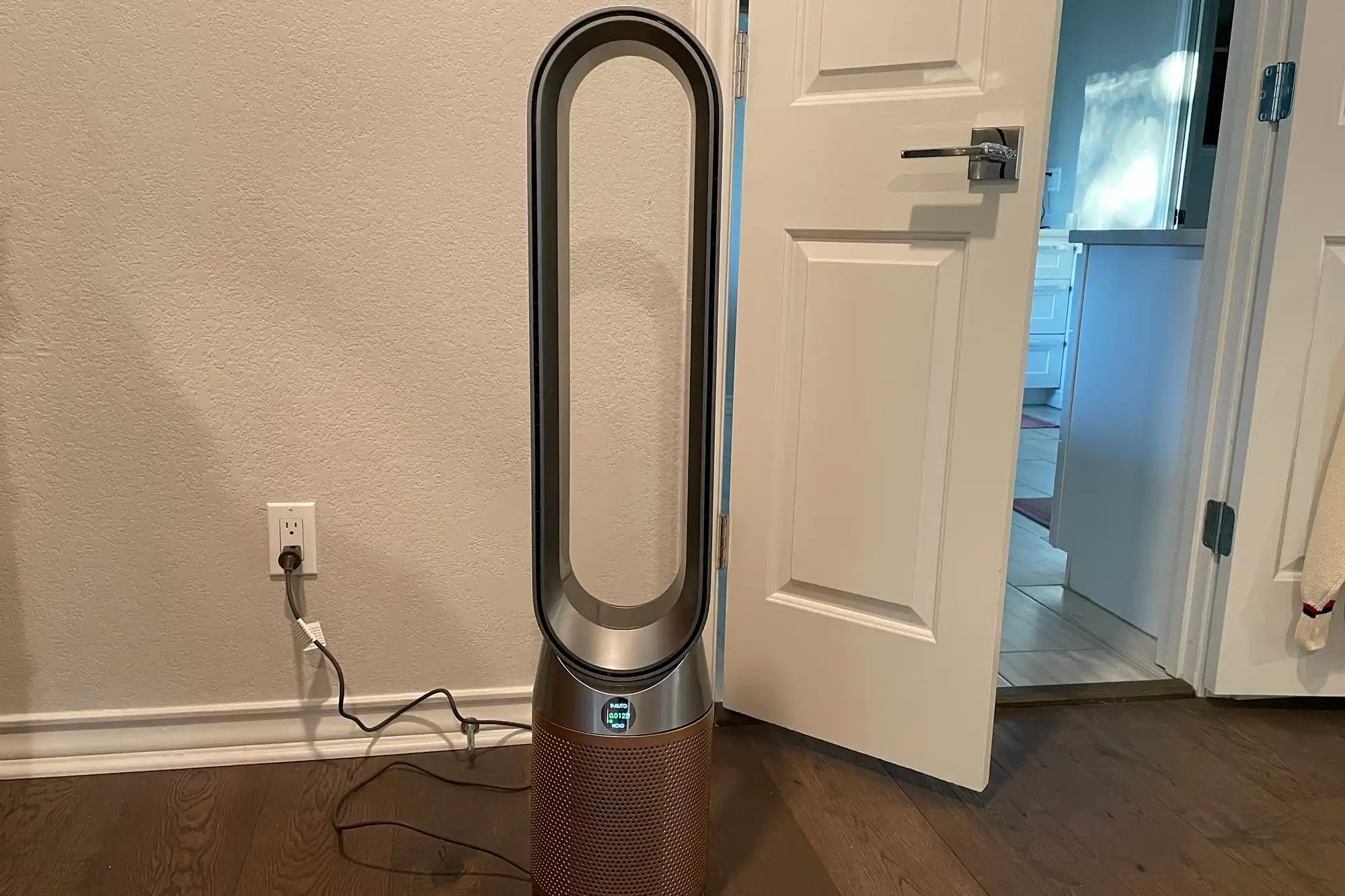
Summer air problems do not arrive politely. One week you are opening windows for a breeze, and the next you are dealing with pollen, cooking odors, wildfire haze, pet dander, and a bedroom that still feels stuffy at midnight. That is why the Dyson Pure Cool price drop is getting attention from US shoppers who want one machine that can move air, clean air, and look decent in a living room. The TP09 is not a cheap fan dressed up with a filter. It is a premium tower fan air purifier with HEPA filtration, activated carbon, smart sensing, oscillation, app control, and a formaldehyde-focused filter system that sets it apart from many basic room purifiers. Dyson lists the TP09 as out of stock on its US site at $749.99, with formaldehyde detection, HEPA H13 sealing, app support, and a 12-month filter replacement recommendation for the HEPA plus carbon filter. For buyers watching summer deals, the smart move is not grabbing it blindly. It is knowing whether the discount solves your actual room problem.
Why the Dyson Pure Cool Price Drop Feels Different This Summer
A summer discount on a premium air machine lands differently when people are using their homes harder. More work-from-home hours, more pets indoors during hot afternoons, more smoke alerts in parts of the country, and more cooking in smaller apartments can all make one room feel stale fast. The TP09 sits in that awkward but useful middle ground between a fan, an air quality monitor, and a purifier.
Why shoppers are watching the Dyson TP09 deal closely
The first reason is simple: Dyson air treatment products often sit above the comfort-buy price range. A shopper may admire the design for months, then ignore it because the number feels too steep. When a Dyson TP09 deal brings the price closer to competing premium purifiers, the conversation changes from “nice idea” to “maybe this is the one.”
That shift matters most for people who were already planning to buy two devices. A bedroom fan plus a separate purifier can eat up floor space, outlets, and patience. In a studio apartment in Phoenix, a pet-friendly rental in Austin, or a nursery in New Jersey, one tall machine in the corner may be easier to live with than a purifier box and a separate tower fan fighting for the same outlet.
The non-obvious part is that the TP09 is not always the best value for raw filtration speed. Some box-style purifiers may move filtered air faster for less money, especially if you only care about particle removal. The TP09 makes its case when you care about air movement, sensing, looks, noise, and year-round use in the same room. That is a narrower pitch, but a stronger one.
What “lowest price” should mean before you buy
A lowest-price claim needs a little discipline. Retailers change prices fast, and marketplace listings can be messy. Dyson’s own US price-match terms name certain authorized retailers and exclude some closeout, open-box, loyalty, promo-code, and third-party marketplace situations, so the sticker price alone does not tell the full story.
You should compare the exact model, finish, condition, return window, filter status, and seller. A sealed new TP09 from an authorized US seller is not the same buying risk as an open-box unit with unclear warranty coverage. That sounds boring until something arrives scratched, missing the remote, or tagged as final sale.
There is also a seasonal trap here. Shoppers often wait for the absolute bottom, then hit “sold out” across the retailers they trust. If the discount is deep, the seller is clean, and your home already has the problem the machine solves, chasing another small drop may cost you more in time than it saves in cash.
What the TP09 Actually Does in a Real American Home
The TP09 is easiest to judge when you stop thinking about specs as trophies. Specs matter, but only when they explain what changes at 7 p.m. in a real room. A good tower fan air purifier should help with stale air, visible dust triggers, cooking smell, pet odor, and the strange heat pocket that forms in a bedroom after sunset.
The fan side is comfort, not air conditioning
The TP09 does not cool air like an air conditioner. It moves air across your body, which can make a warm room feel more livable. That distinction matters. A buyer in Florida expecting it to lower room temperature will be disappointed. A buyer in a Chicago apartment using it beside a bed during muggy nights may feel the value within one evening.
Dyson’s tower design also avoids exposed blades, which gives it a cleaner look and makes wipe-down easier than a standard fan grille packed with gray dust. That does not make it maintenance-free. It means the ugly part of fan ownership becomes less annoying.
The counterintuitive point is that airflow can help purification feel better even when filtration numbers are not the whole story. If purified air does not move through the space you occupy, the machine can feel weak. Dyson says its Air Multiplier technology draws in pollutants from across the room and projects filtered air back out, while the TP09 can oscillate to spread airflow. In daily use, that matters near a sofa, bed, desk, or baby chair.
The purification side is about placement and patience
The TP09 uses a HEPA plus activated carbon filter, and Dyson says its sealed system captures particles and gases while the catalytic filter targets formaldehyde. That combination is useful in homes with pets, new furniture, cleaning product smells, cooking fumes, and outdoor air that sneaks indoors through doors, windows, and older HVAC systems.
Still, no purifier wins against bad placement. Put the machine behind a curtain, squeezed between a couch and wall, or beside a pile of laundry, and you choke the very airflow you paid for. ENERGY STAR tells shoppers to size room air cleaners to the space and keep airflow from being blocked; it also explains that CADR measures how quickly clean air is delivered, with higher CADR serving larger spaces faster.
That is where many buyers misjudge premium design. A sleek purifier in the wrong corner can underperform a plain one placed well. For a bedroom, give it open breathing room. For a living room, aim it toward the zone where people sit, not toward a dead hallway. The TP09 can be smart, but it cannot fix a bad corner.
How to Decide If This Premium Purifier Fan Is Worth It
A deal is only a deal when the product fits the home. That sounds obvious, yet air purifier shopping often turns into brand worship or spec panic. The better question is plain: what problem do you need this machine to solve most days, not once during a bad air week?
Who gets the most value from a formaldehyde air purifier
A formaldehyde air purifier makes the most sense for shoppers who are dealing with new flooring, pressed-wood furniture, fresh cabinetry, remodel dust, or a room that smells “new” in a way that never feels clean. Formaldehyde can come from some building materials and household products, so a filter system that pays attention to it has a real use case.
The TP09’s catalytic filter is designed to break down formaldehyde continuously, and Dyson says that part does not need replacing. That is one reason this model sits above simpler Dyson fan-purifier units. You are paying for more than the shape.
But this is not a magic shield. If a room has a strong chemical source, removing or sealing the source matters more than asking a purifier to fight forever. A renter may not control the cabinets. A homeowner might. That difference changes the buying decision more than the discount does.
Who may be better off with something cheaper
If you mainly want the lowest-cost way to filter wildfire smoke particles in one room, the TP09 may not be the first machine to check. A high-CADR purifier with a plain box design can be the sharper buy. Some people do not need app controls, live sensor readings, voice support, or a sculptural tower sitting beside the couch.
That does not make the TP09 overpriced for everyone. It means the value is bundled. You are paying for cooling airflow, whole-room circulation claims, formaldehyde handling, sensors, quieter engineering, and design. If you will use only one of those benefits, the math gets weaker.
Think of a parent in Los Angeles setting up a nursery, a remote worker in Dallas sharing a room with two dogs, or a condo owner in Denver dealing with smoke season and afternoon heat. For those buyers, the bundle can make sense. For a basement storage room, it may be overkill.
Buying Smart: Price, Filters, Warranty, and Summer Timing
The buying decision should slow down right when the sale page is trying to speed you up. Scarcity language works because it hits a nerve. Nobody wants to miss a low price. Still, the cleaner purchase is the one you can defend after the box arrives.
Check the seller before celebrating the discount
Start with the seller. Dyson’s US page lists authorized retailers for price-match purposes, including major names such as Amazon first-party, Best Buy, Costco, Home Depot, Lowe’s, Target, and others under its terms. That gives you a useful checklist, even when you are not asking Dyson for a match.
Then check the condition. New, refurbished, open-box, clearance, and marketplace listings should not be treated as equal. A low number from an unclear seller can become a headache if the unit lacks support or the return window is thin. A higher price from a cleaner seller may be the better buy for a product this expensive.
One real-world example: if a TP09 is discounted on a marketplace page but the seller name is not the retailer itself, pause. Look for warranty terms, return policy, included remote, filter condition, and whether the listing names the exact TP09 finish. The boring details protect the savings.
Filter cost and room fit matter after checkout
The TP09 includes a 360-degree HEPA and activated carbon filter, and Dyson recommends replacing that filter every 12 months or when the machine tells you. That yearly cost belongs in your budget. A cheap purchase price feels less impressive if you ignore filter replacement until the machine nags you.
Room fit matters too. ENERGY STAR’s guidance ties purifier sizing to room area and CADR, especially for homes with higher ceilings or larger spaces. This is where a shopper with an open-concept living room should be more cautious than someone buying for a 12-by-14 bedroom.
The quiet lesson is that a premium purifier is often better as a room strategy than a whole-home strategy. Use it where you sleep, work, recover, or spend long stretches. Dragging one machine around the house all day sounds flexible, but most people stop doing that after the first week. Put it where it will earn its keep.
Conclusion
A summer price drop can make a premium air machine feel suddenly reachable, but the best buyers will stay calm. The TP09 is not for everyone, and that is fine. It makes the strongest case when you want airflow, filtration, smart sensing, cleaner design, and formaldehyde-focused features in one visible room.
The Dyson Pure Cool name still carries weight because the product fits a common home problem: people want cleaner air without turning their bedroom or living room into a stack of appliances. That value becomes stronger when the deal comes from a trusted US seller and the return terms are clear.
Do not buy it only because the price looks dramatic. Buy it because the room needs what the TP09 is built to do. Check the exact model, confirm the seller, budget for filters, and place it where you live the most. That is how a sale turns into a smart home upgrade instead of an expensive corner decoration.
Frequently Asked Questions
Is the TP09 worth buying at a lower price?
Yes, if you want both purified airflow and fan comfort in one room. It is strongest for bedrooms, offices, nurseries, and living spaces where looks, noise, sensing, and odor control matter. For pure low-cost filtration, a box-style purifier may offer better value.
Does the TP09 work like an air conditioner?
No. It moves air across your body, which can help you feel cooler, but it does not lower room temperature like an AC unit. It is better viewed as a purifier with strong fan comfort, not a replacement for central air or a window unit.
What makes a formaldehyde air purifier useful at home?
It can help in rooms with new furniture, flooring, cabinets, paint smells, or pressed-wood materials. The bigger fix is reducing the source when possible. A purifier can support cleaner air, but it should not be treated as the only answer to strong chemical odors.
How often does the TP09 filter need replacement?
Dyson recommends replacing the HEPA plus carbon filter every 12 months or when the machine gives a filter alert. Heavy smoke, pets, dust, or daily high-speed use may make replacement feel necessary sooner, especially if odors return or airflow drops.
Is a tower fan air purifier good for bedrooms?
Yes, when it is quiet enough, sized well, and placed with open airflow around it. A bedroom is often the best room for this type of machine because you spend long hours there and can feel both the fan and filtration benefits.
Should I buy from any seller with the lowest price?
No. Check whether the seller is trusted, the unit is new, the model is exact, the return window is clear, and the warranty terms make sense. A cheaper third-party listing can lose its appeal fast if support becomes difficult.
Can the TP09 help during wildfire smoke season?
It may help reduce airborne particles indoors when used in the right room with clean filters and good placement. During smoke events, keep windows closed, reduce indoor pollution sources, and follow local air quality guidance. One purifier cannot protect an entire home equally.
Where should I place the TP09 for best results?
Place it in the room where you spend the most time, with open space around the base and amplifier loop. Avoid curtains, tight corners, and blocked vents. For sleep, put it where airflow reaches the bed without blasting your face all night.