 Michael Caine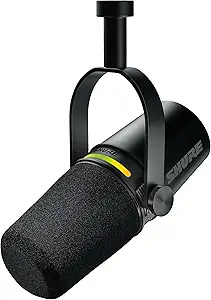
Home studios have stopped feeling like side projects. The Shure MV7 is back in the buying conversation because creators want a mic that sounds grown-up without turning their desk into a radio station. For U.S. podcasters, streamers, coaches, video editors, remote trainers, and small business owners, the appeal is easy to understand: plug in over USB today, move into XLR later, and still keep the voice-forward tone people expect from a serious broadcast setup.
That does not mean every restock deserves a blind checkout. The original MV7 was officially discontinued in 2024, with Shure pointing buyers toward newer models and support paths, so “restocking” often means retail inventory, bundles, open-box units, or lingering warehouse stock rather than a fresh long-term production run. That detail matters. A smart buyer should look at condition, warranty path, seller reputation, software support, and whether a newer MV7+ makes more sense.
Creators do not need more gear. They need fewer weak links. That is why this mic still gets attention when stock returns.
Why Shure MV7 Restocks Matter in the Creator Boom
The creator market has matured past the “any mic is fine” stage. A few years ago, a webcam mic or cheap desktop condenser could pass if the content was useful enough. Now, people notice bad sound fast. They may forgive a plain background. They may even forgive average lighting. Harsh, thin, echo-heavy voice audio is harder to ignore.
That pressure explains why restocks draw attention. The MV7 sits in a rare middle lane. It feels more serious than an entry USB mic, yet it does not demand the full audio chain of an SM7B-style setup. For a YouTube educator in Texas, a finance podcaster in Ohio, or a Twitch creator working from a spare bedroom in Florida, that middle lane is valuable.
The non-obvious part is that demand is not only coming from podcasters. Coaches, lawyers, consultants, online teachers, church media teams, and local business owners now record voice content every week. A creator microphone setup is no longer a hobby shelf. It is part of how people sell, teach, explain, and build trust.
Why creators still chase a familiar broadcast sound
The MV7’s biggest advantage is not mystery. It is familiarity. Listeners have been trained by radio, podcasts, and long-form video to associate close, warm voice audio with authority. The mic does not magically make weak content strong, but it can remove the cheap-room sound that makes good ideas feel smaller.
A dynamic capsule also makes sense for U.S. homes that were never built as studios. Apartments near traffic, shared houses, HVAC noise, ceiling fans, and hard floors can all punish sensitive condenser mics. A dynamic mic usually asks you to speak closer, which can reduce the amount of room sound in the recording.
That is why a USB podcast mic with a directional pickup can feel like a practical fix, not a vanity upgrade. A creator recording in a kitchen nook may get more useful gains from mic choice and placement than from hanging foam squares on every wall.
The counterintuitive truth: the mic that hears “less” can sound better. Less room. Less keyboard clatter. Less hollow space around your voice.
Why restocks create urgency without always creating value
Restock headlines can make buyers move too fast. That is where people get burned. If the original model appears after being hard to find, the excitement may come from scarcity, not from the deal itself. A $20 discount from an unknown seller is not worth much if support, returns, or accessories are unclear.
A better approach is to treat every listing like a small audit. Is it new, used, refurbished, or open box? Does it include the original cable and mount hardware? Is the seller authorized or at least trusted? Does the return window give you enough time to test noise floor, USB connection, headphone monitoring, and app behavior?
For example, a creator in Chicago buying for weekly client webinars should care more about reliability than the lowest number on the page. Missing a recording because of a flaky cable or questionable used unit costs more than the small savings.
Restocks matter because they reopen a buying window. They do not remove the need to think.
What Makes a USB Podcast Mic Worth Buying Now
A good mic purchase starts with the room, not the product page. That sounds backward, but it saves money. If your room has hard walls, a loud laptop fan, and a desk pushed near a window air conditioner, the right mic is the one that handles that reality with the least drama.
That is where the MV7’s original appeal still holds up. It can work over USB for simple recording and over XLR for a future interface or mixer. The official MV7 user guide also confirms the practical feature set that made it popular: USB connection, XLR connection, touch controls, headphone monitoring, and app-based setup. Those are not flashy talking points. They are daily-use details.
A newer buyer should compare it against current alternatives, including Shure’s newer MV7+ and other dynamic desktop mics. The older model may still be a smart buy, but only at the right price and condition. Paying near-newer-model money for old inventory rarely makes sense unless you prefer the original design or find a strong bundle.
USB convenience is not the same as cheap audio
USB used to carry a low-end reputation in recording circles. That reputation is outdated. Many creators do not need a rack of gear to record a clean voice track. They need a stable mic, correct distance, decent monitoring, and enough control to avoid clipping.
The MV7 made USB feel less like a beginner compromise because it also gave users an XLR path. That matters when your work grows. You might begin by recording solo episodes into a laptop. Six months later, you may add an audio interface, bring in a second mic, or record into a hardware mixer at a local studio.
A USB/XLR microphone gives you room to grow without forcing the upgrade on day one. That is the appeal. It respects both the beginner and the person who knows they will not stay a beginner for long.
One example: a Nashville songwriter running a small interview channel may record quick remote intros over USB during the week, then connect through XLR when visiting a friend’s studio. Same mic. Different workflow.
The best upgrade may be placement, not another purchase
A mic like this rewards better habits. Speak close. Angle it slightly off-axis to tame plosives. Keep it on a boom arm instead of letting it sit too far away on a desk. Monitor your voice before recording the full take. These steps sound basic, but they can change the final result more than another plugin.
A creator microphone setup often fails because the buyer expects the mic to fix distance. No microphone loves being three feet away in a lively room. The closer position gives the voice more presence and lets the room fall back.
That is also why a simple boom arm can be a smarter second purchase than a fancy cable. The arm puts the capsule where it belongs. A pop filter or better windscreen can help too, especially for speakers with sharp “p” and “b” sounds.
The non-obvious insight here is that a premium mic can expose bad technique. It may make your room problems clearer. It can make mouth clicks, desk bumps, and inconsistent distance easier to hear. Better gear raises the ceiling, but it also shows the cracks.
How to Judge a Restock Before You Buy
Restocked inventory sits in a gray area. Some units are brand-new. Some are returns. Some are marketplace listings dressed up to look cleaner than they are. The listing language matters, and so does the seller behind it.
For U.S. buyers, the safest path is to compare the restocked price against three things: the current newer model, trusted used prices, and the cost of missing accessories. A mic without the right cable, yoke hardware, or clean return policy may not be a deal. A discounted bundle with a usable arm and headphones might be stronger, even if the mic price alone looks less dramatic.
This is where shopping discipline beats hype. A restock should make you curious, not careless. If you run a content calendar, client calls, or a monetized channel, dependability has a dollar value.
Check condition, seller, and support before price
Start with the condition label. New means one thing. Open box means another. Refurbished can be fine, but only when the warranty and seller terms are clear. Used from a private seller is a different risk, especially with USB ports, headphone jacks, touch controls, and cable wear.
Next, check the return window. You need time to test the mic in your actual space. Do a spoken-word recording, a loud passage, a quiet passage, a typing test, and a headphone monitoring test. If the USB port disconnects when the cable moves, send it back. If the touch strip behaves strangely, do not talk yourself into keeping it.
A podcaster in Phoenix might think the mic sounds poor because the room is bright and reflective. That is fixable. A noisy port, damaged mount, or failing headphone output is not the same kind of problem.
Price comes after trust. That order feels less exciting, but it prevents regret.
Compare the original model against newer creator tools
The MV7+ changed the conversation by adding newer digital controls and USB-C. Other competitors now offer strong desktop dynamic options too. That means the older MV7 should be judged by total value, not nostalgia.
Ask what you need. Do you want USB-C without adapters? Do you care about newer app features? Do you need the cleanest possible one-cable desk setup? Or do you want a proven USB/XLR microphone at a lower price because your workflow is simple and stable?
There is no single answer. A solo podcast host recording two episodes per month may be happy with the older mic at the right cost. A streamer building a polished visual brand may prefer a newer model with updated controls and cleaner desk integration.
This is also where content strategy matters. For shopping guidance and launch-style product coverage, sites that track creator gear buying trends often focus less on specs alone and more on why certain tools return to public attention. That lens helps here. Restocks are not only about supply. They reveal what creators still trust after the first wave of hype fades.
Where This Mic Fits in a Real U.S. Home Studio
Most American home studios are not studios. They are bedrooms, corners, spare closets, dining tables, basements, and home offices that also handle bills, schoolwork, and Zoom meetings. The right mic has to survive that messy reality.
The MV7 fits best for spoken-word creators who want close, controlled voice audio and a path toward better gear later. It is less ideal for someone who wants to record a whole room, acoustic guitar from a distance, or group conversations around one table. A directional dynamic mic is made for focus. That focus is the point.
A USB podcast mic also makes sense for creators who move between tasks. Record a podcast intro in the morning. Join a client call at noon. Capture a voiceover for a product demo at night. The same desk can handle all three if the setup is tidy and repeatable.
Match the mic to your recording style, not your dream setup
Buying for the setup you actually use is harder than buying for the setup you imagine. Many creators picture a treated room, a mixer, and scheduled recording days. Then life happens. They record at 10 p.m. while the dishwasher runs downstairs.
If you record solo, close to the mic, and mostly speak, the MV7-style format makes sense. If you interview people in the same room, you may need multiple mics. If you record video while standing several feet away, a shotgun mic or lavalier may serve you better.
A creator microphone setup should reduce friction. The best one is the setup you leave connected because it works every time. That is less glamorous than a desk full of gear, but it produces more finished work.
A real example: a real estate agent in North Carolina recording weekly market updates might need clear voice, fast setup, and no audio interface learning curve. A clean USB chain wins. A music producer in Los Angeles may outgrow it faster and move toward XLR gear.
Build around the mic with a simple upgrade path
The smartest version of this setup is not complicated. A boom arm, closed-back headphones, a quiet recording spot, and a repeatable gain setting will carry most creators far. Add soft furnishings nearby if the room rings. Keep the mic close and slightly off to the side of your mouth.
Then test before buying more. Record 60 seconds. Listen on headphones. Listen on phone speakers. Listen in the car if your content is podcast-first. Voice audio that sounds good only on studio headphones is not finished yet.
The counterintuitive move is to spend less time chasing “perfect” and more time chasing repeatable. Your audience will forgive minor room character if your voice is clear, stable, and comfortable to hear. They will not enjoy a different sound every episode.
For internal planning, connect this purchase to your broader content workflow. You can pair a mic review with home studio setup ideas or a buyer guide on podcasting gear for beginners when building a topic cluster. That helps readers move from interest to action without stuffing every answer into one page.
Conclusion
Creator demand has made audio gear feel crowded again, but the best buying decisions are still calm ones. A restock can be a useful chance to grab a trusted mic, especially if the price is fair and the seller terms are clean. It can also be a trap if scarcity pushes you past better options.
The Shure MV7 still makes sense for many U.S. creators because it solves a common problem: getting a close, clear spoken voice without forcing a full studio build from day one. Its older status should not scare you off by itself, but it should make you sharper about condition, warranty, and value against newer models.
Buy it for the work you will do this month, not the fantasy studio you may build someday. Put it close, test it hard, and build a simple setup around consistency. If the restocked unit passes those checks, it can still earn a place on a serious creator desk.
Frequently Asked Questions
Is the MV7 still worth buying after newer models came out?
Yes, when the price is right and the condition is clear. The older model still works well for spoken-word recording, especially for solo creators. Compare it with newer options before buying, because a small price gap may make the newer mic more sensible.
Why do podcasters like dynamic microphones for home recording?
Dynamic mics often pick up less room sound than sensitive condensers when used close to the mouth. That helps in bedrooms, apartments, and shared spaces. They still need good placement, but they can make untreated rooms easier to manage.
What should I check when buying a restocked podcast mic?
Check whether it is new, refurbished, open box, or used. Confirm the return window, included accessories, seller reputation, and warranty terms. Test the USB connection, headphone output, touch controls, and recording quality as soon as it arrives.
Is USB or XLR better for a beginner podcaster?
USB is easier for most beginners because it connects straight to a computer. XLR gives more room for future gear, such as interfaces and mixers. A hybrid mic is helpful because it lets you start simple and upgrade later.
Does a good microphone fix echo in a room?
No mic fully fixes echo by itself. A close dynamic mic can reduce room sound, but hard walls, bare floors, and distance still matter. Add soft furniture, curtains, rugs, or panels, then keep the mic near your mouth.
What accessories matter most for this type of mic?
A sturdy boom arm, closed-back headphones, and a pop filter or better windscreen matter more than decorative extras. The boom arm helps keep the mic in the right position. Headphones help you catch noise before recording a full session.
Is this kind of mic good for streaming and video calls?
Yes, it can work well for streaming, remote work, online coaching, and video calls. The key is keeping the mic close without blocking your face on camera. Set gain carefully so your voice stays full without clipping.
Should I buy a restocked older mic or wait for a deal on a newer one?
Choose based on the final price gap and your needs. A discounted older unit can be smart for simple spoken-word work. A newer model may be better if you want updated controls, USB-C convenience, or newer software features.