 Michael Caine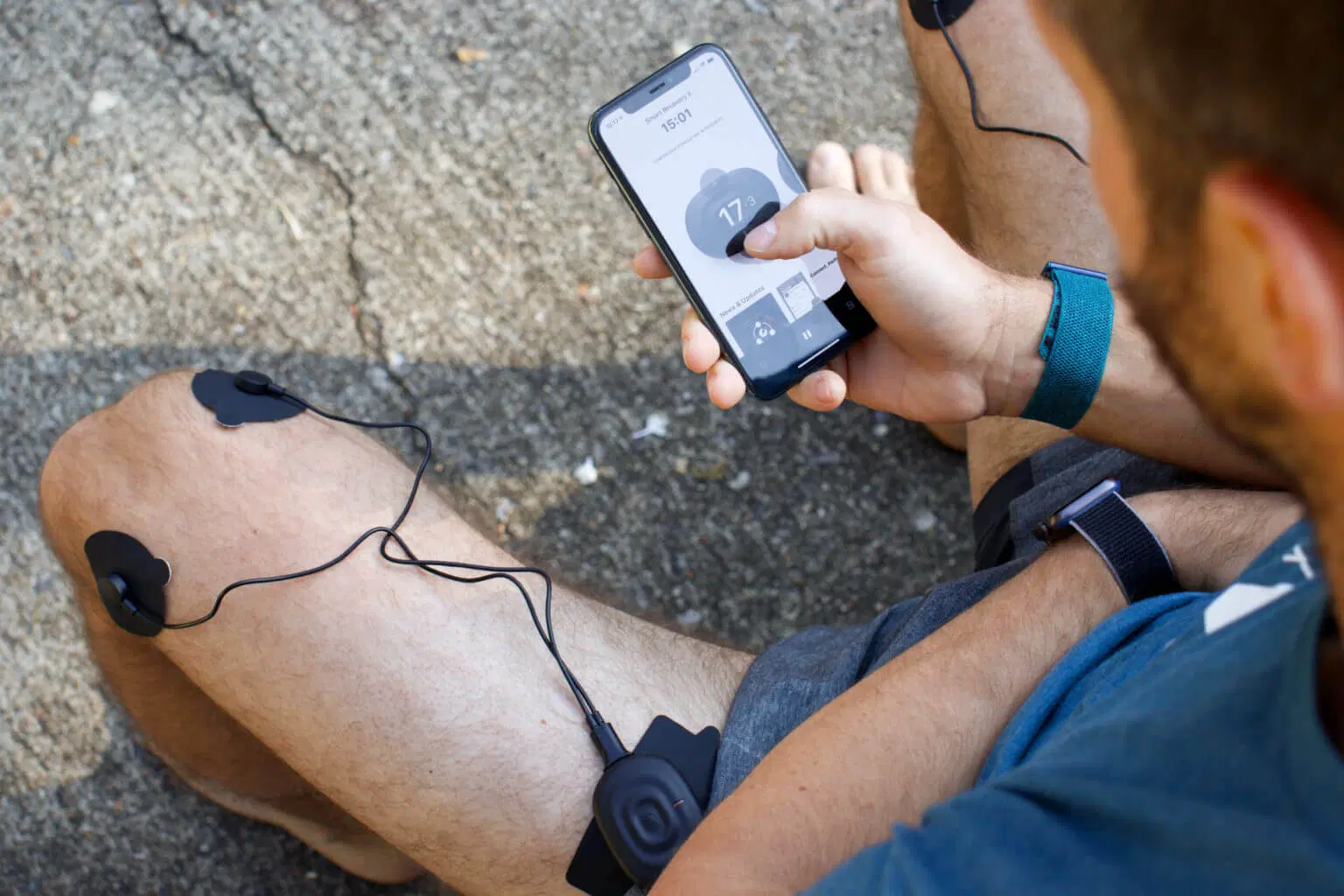
A single recovery clip can do more for a gadget than months of polished ads. That is what seems to be happening as the PowerDot 2.0 Duo gets pulled into the spotlight by athletes, weekend lifters, runners, and sore desk-workers who train hard after work. The buzz makes sense: people want athletic recovery tools that feel practical, not mysterious. This small app-controlled unit uses TENS and EMS programs, the two-pod setup can treat both sides of the body, and the whole idea looks simple enough to try after leg day, a long ride, or a pickup basketball game. Therabody describes the device as an app-controlled TENS/EMS stimulator for recovery, strength support, and pain relief, while retailer listings describe the Duo kit as a 4-channel TENS/NMES unit with two pods, electrode pads, lead cables, charging cables, and a carrying case. For buyers comparing wellness gear, creator-tested devices, and consumer product trend coverage, the smarter question is not whether the hype is loud. It is whether the device fits your routine, your tolerance for app-based gear, and your actual recovery needs.
Why the Viral Recovery Moment Feels Bigger Than a Gadget Trend
Recovery has become part of American fitness culture, not a side note. A few years ago, plenty of gym-goers treated soreness as proof they had worked hard enough. Now you see people carrying massage guns, compression boots, mobility bands, hydration packets, and wearable recovery trackers into normal training spaces. The shift is not only about performance. It is about getting back to work, parenting, commuting, and training again without feeling wrecked.
Why athletes are drawn to electrical muscle stimulation after hard sessions
Electrical muscle stimulation has a strong visual pull. Pads on the skin. Muscles twitching. An app counting down the session. It looks active, even when the person is sitting still. That matters because most recovery habits are boring on camera. Sleep, protein, walking, and stretching work, but they do not make dramatic social posts.
The non-obvious part is that the visible twitch can mislead buyers. A contraction does not automatically mean deep healing is happening. EMS sends pulses that make muscles contract; TENS is aimed more at pain signaling. FDA consumer information on electronic muscle stimulators says EMS devices may temporarily strengthen, tone, or firm a muscle, but they are not cleared for weight loss or dramatic body-shaping claims. That difference matters.
For a runner in Phoenix training through hot evenings, the appeal may be simple. Calves feel stiff, the next run is in two days, and ten minutes with pads feels more useful than scrolling on the couch. For a CrossFit athlete in Ohio, the device may sit beside a foam roller and knee sleeves. It becomes part of the ritual.
Ritual sells.
Why social proof makes recovery devices feel safer than they are
A post from an athlete can make a device feel proven. That is the trap. Social proof is not the same as medical evidence, and recovery is full of personal bias. When your legs feel fresher the next morning, you may credit the newest tool, even if sleep, food, hydration, lighter training, or plain time played the bigger role.
Still, viral attention is not meaningless. It tells us people are tired of passive soreness. They want tools that make recovery feel managed. The smartest buyers will separate two things: the device experience and the health claim. The device can feel useful, guided, and motivating without being a miracle fix.
That is where smart home and wellness product comparisons can help readers think beyond hype. A recovery device should be judged like any other gear: ease of use, repeat value, safety, cost, and how often it solves a problem you already have.
How PowerDot 2.0 Duo Muscle Stimulator Fits Real Athletic Recovery
The PowerDot 2.0 Duo sits in a crowded recovery market, but its pitch is clear. It is small, guided by an app, and built around TENS and EMS. The Duo format matters because two pods give you more flexibility than a single-pod setup. You can work both quads, both calves, or two sides of the lower back area depending on the program and placement guidance.
What the two-pod setup changes for soreness and symmetry
The biggest practical advantage is balance. Anyone who has used one-sided recovery gear knows the small annoyance: treat the left side, wait, then treat the right side. With a Duo setup, the session can feel more complete. That is useful after symmetrical work like squats, cycling, hiking, rowing, or long treadmill sessions.
The McKesson product listing identifies the kit as a TENS/NMES 4-channel unit and lists two pods, electrode pads, two sets of lead cables, two charging cables, and a carrying case. That bundle detail matters because replacement pads and cable layout can affect whether people keep using the device after week two.
Here is a plain example. A recreational cyclist in Colorado does a hilly Saturday ride, then feels both quads tighten that night. A two-pod system lets that rider treat both legs during one guided session while watching TV. No special clinic. No table. No appointment.
That convenience is the product’s real strength.
What TENS and EMS can and cannot do for training recovery
TENS and EMS often get blended together in marketing, but they are not the same. TENS is more tied to sensory nerves and temporary pain relief. EMS or NMES targets muscle contraction. The PowerDot app listing says the companion app works with an FDA-cleared smart electrical stimulator using NMES/EMS and TENS technologies.
The counterintuitive point: less soreness is not always the same as better readiness. If a session dulls discomfort, you may feel cleared to train hard again before tissue, joints, tendons, or fatigue systems are ready. That is where disciplined athletes do better than gadget collectors. They use the device as feedback support, not permission to ignore warning signs.
A sensible recovery stack still starts with boring basics. Sleep. Easy movement. Protein. Fluids. Load management. The device may help you feel better between sessions, but it should not replace smart programming.
For readers building a full home setup, fitness gear buying guides can make the purchase decision cleaner. A stim unit competes for budget against shoes, a better bike fit, a gym membership, coaching, and physical therapy. Sometimes the less exciting purchase wins.
What Buyers Should Check Before Joining the Hype
Viral recovery gear creates a strange pressure. You see people using it, the comments sound convinced, and suddenly waiting feels like missing out. That is not how to buy a body-facing device. The better move is to slow down, check your own use case, and be honest about what kind of person you are when the novelty fades.
Why app control is both the best feature and the biggest risk
App control makes the device easier for beginners. Pad placement, session timing, and program choice can feel less confusing when a phone walks you through the setup. Apple’s App Store listing says the app is required for the wearable device and frames the experience around guided muscle stimulation with attention to pad placement, intensity, and session time.
But app dependence cuts both ways. If the phone connection acts up, the whole session can feel fragile. WIRED’s 2025 review praised the potential of the device’s TENS and NMES features but reported connection problems during sessions and treated that as a serious drawback. That is not a small complaint for a product built around guided use.
Think about your tolerance. Some people can reset Bluetooth, reopen an app, and keep going. Others will toss the device into a drawer after two failed sessions. Neither personality is wrong. The product has to fit the person.
The odd truth: a less advanced recovery tool may get used more if it never argues with your phone.
What safety questions matter before using pads and pulses
Electrical stimulation feels casual when it appears in fitness videos, but it still deserves respect. The FDA’s guidance for powered muscle stimulators notes that certain devices in this category are prescription devices under federal regulation. FDA decision documents for electrical stimulation devices also list common contraindications around pacemakers, implanted defibrillators, other implanted electronic devices, and unsafe electrode placement across sensitive areas.
That does not mean every home user should panic. It means you should read the manual, follow placement guidance, and avoid guessing with electrode positions. Do not place pads in strange patterns because a random comment suggested it. Do not chase the highest intensity to prove toughness. A smart recovery session should feel controlled.
People with medical implants, heart rhythm concerns, seizure history, pregnancy-related questions, nerve conditions, or unexplained pain should ask a clinician before use. That is not legal padding. It is common sense.
A high school soccer parent in Texas may buy the device for a teen athlete. A masters runner in Florida may use it after long runs. A warehouse worker in Pennsylvania may want relief after standing all day. Those are different bodies, different risks, and different reasons. The same gadget does not erase those differences.
How to Decide If the Viral Recovery Device Belongs in Your Routine
The best way to judge a recovery device is to picture the third week, not the first night. New gear always feels motivating at the start. The test is whether it still fits when life gets noisy, laundry piles up, and training plans change.
When a recovery device makes sense for everyday athletes
This type of device makes the most sense for people who already train on a schedule. If you lift three or four days a week, ride on weekends, run races, play rec sports, or work physical shifts, recovery has a clear place in your week. You have repeated soreness patterns. You know which muscle groups complain. That makes guided sessions easier to test.
It also fits people who like structured routines. A ten-minute or twenty-minute session after a shower can become automatic. The app can help remove decision fatigue. You do not have to invent a plan each time.
Here is a useful test: name the exact time you would use it. After Tuesday leg day? While watching Sunday football? After long Saturday rides? If you cannot name the slot, the product may become shelf decor.
The non-obvious insight is that recovery gear often fails from friction, not from poor technology. Charging cables disappear. Pads lose stickiness. Apps need updates. You skip once, then twice. A good buyer thinks about maintenance before excitement.
When old-school recovery may beat tech
There are times when walking, sleep, gentle mobility, food, and a calm training plan beat any gadget. If soreness is rare, your schedule is inconsistent, or your main issue is poor sleep, electrical muscle stimulation may not fix the root problem. It may become an expensive way to avoid the habit that would help more.
For pain that keeps returning in one spot, a device should not be your first and only answer. A runner with sharp knee pain, a lifter with nerve symptoms, or a cyclist with one-sided hip pain needs assessment, not only sensation control. Temporary relief can be useful, but it can also hide a pattern worth fixing.
That does not make the viral device pointless. It means the right buyer sees it as one tool. It can sit beside stretching, easy aerobic work, strength training, massage, and clinical care when needed.
The hype is loud because the product is easy to show. The value is quieter. It depends on repeat use, safe setup, and honest expectations.
Conclusion
Recovery tools are getting smarter, smaller, and easier to bring into normal American homes. That does not mean every viral product deserves a rushed checkout. The better move is to treat the PowerDot 2.0 Duo as a serious recovery aid with limits, not a magic shortcut. It offers guided TENS and EMS sessions, a compact two-pod format, and a clear place in the routines of athletes who train often enough to need structured recovery. It also asks for patience with app control, pad care, safe placement, and realistic expectations. If your soreness patterns are predictable and you enjoy guided tech, it may earn its spot. If your pain is sharp, unexplained, or tied to a bigger training mistake, start with a professional opinion and better basics. The viral post may have sparked the attention, but your routine should make the decision. Buy recovery gear for the body you actually live in, not the comment section watching it trend.
Frequently Asked Questions
Is this kind of recovery device worth it for casual gym users?
It can be worth it if soreness often affects your next workout or daily comfort. Casual users who train once a week may not use it enough. People with steady lifting, running, cycling, or court-sport routines are more likely to get repeat value.
Does electrical muscle stimulation build muscle like strength training?
No, it should not replace lifting, sprinting, or sport practice. It can cause muscle contractions and may support activation or recovery, but progressive training still drives strength. Think of it as support work, not a substitute for loaded movement.
Can TENS and EMS help after leg day?
They may help some people feel looser or more comfortable after hard lower-body work. Results vary by intensity, pad placement, timing, and individual tolerance. The best approach is to test it after similar workouts and compare how you feel the next day.
Is it safe to use a stim device every day?
Daily use may be fine for some healthy adults when they follow the manual, rotate areas, and avoid overdoing intensity. It is not smart for everyone. People with implants, heart concerns, pregnancy questions, seizure history, or unusual pain should ask a clinician first.
What is the best time to use it after training?
Many users prefer it later the same day, after cooling down, showering, and eating. That timing makes it easier to relax and notice how the muscles respond. Avoid using it as an excuse to skip warm-ups, cooldowns, sleep, or planned rest days.
Do recovery devices help runners and cyclists differently?
Runners often care about calves, quads, hamstrings, and hips after impact-heavy sessions. Cyclists may focus more on quads, glutes, and hip flexors after long rides. The same device can fit both, but pad placement and program choice should match the sport.
How long do electrode pads usually last?
Pad life depends on skin oils, storage, hair, sweat, and how often you use them. Clean skin helps them stick longer. Replace pads when they lose grip, feel uneven, or make the session less comfortable, because poor contact can ruin the experience.
Should I buy one if I already own a massage gun?
Maybe, but only if it solves a different problem for you. A massage gun gives pressure and vibration. A stim device uses electrical pulses. Some athletes like both, while others find one enough. Start with the recovery habit you will use most.